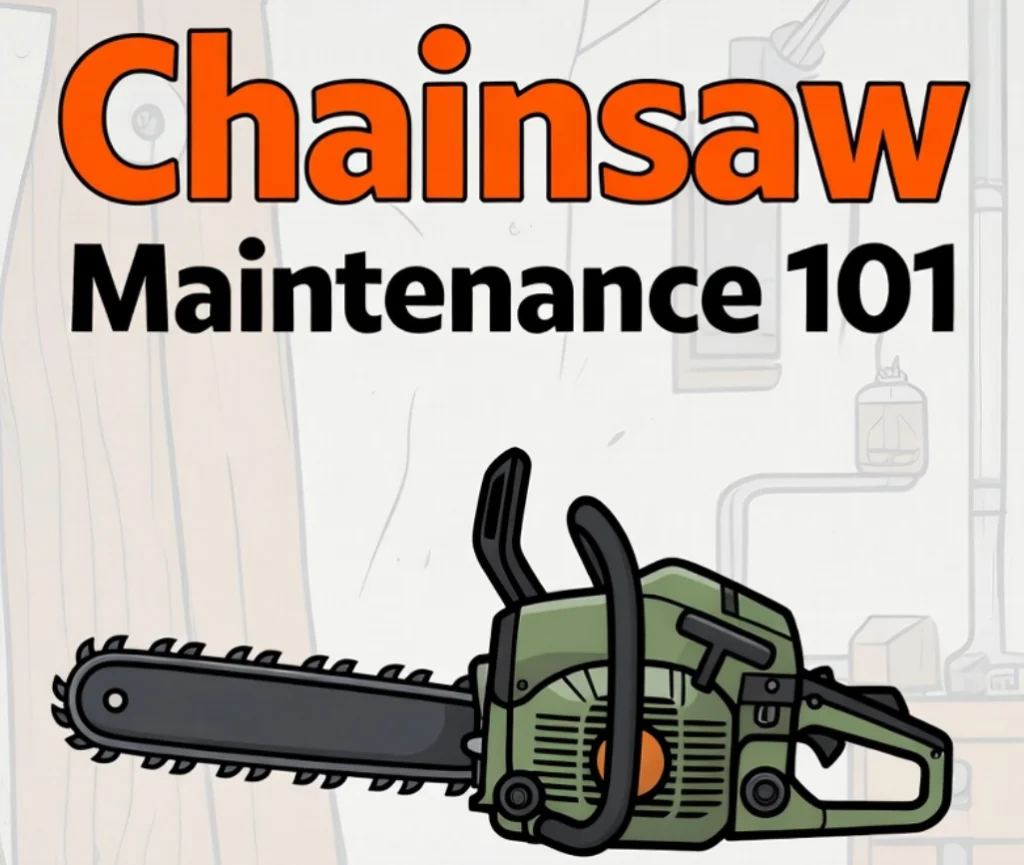
Proper chainsaw maintenance is not optional. A chainsaw is one of the most powerful and potentially dangerous tools in your shed, and neglecting basic upkeep can turn a routine cutting job into a serious safety hazard. Whether you own a professional Husqvarna, a homeowner Echo, or anything in between, these chainsaw maintenance fundamentals will keep your saw cutting cleanly and safely for years.
Why Chainsaw Maintenance Matters for Safety and Performance
A dull chain, incorrect tension, or fouled air filter forces you to work harder and puts more stress on the engine. In fact, kickback risk increases significantly with a poorly maintained chain. As a result, regular chainsaw maintenance means less effort per cut, longer engine life, and significantly reduced risk of injury. The Occupational Safety and Health Administration emphasizes that proper chain and bar maintenance is critical for preventing kickback injuries. Our service technicians see the consequences of deferred maintenance regularly, and the repair bill is always higher than the cost of prevention.
Keep the Chain Sharp
Above all, a sharp chain does the work for you. If you find yourself pressing down to force the saw through wood, the chain is dull. Other telltale signs include fine sawdust instead of chips, smoke while cutting, and the saw pulling to one side. You can touch up a chain in the field with a round file and filing guide, but for a precise edge that cuts evenly on both sides, bring it in for professional sharpening. We sharpen chains in-shop and typically have them done the same day.
Check Chain Tension Before Every Use
Similarly, a loose chain can jump off the bar mid-cut, creating an extremely dangerous situation. On the other hand, a chain that is too tight puts excessive wear on the bar, sprocket, and clutch bearing. The correct tension allows you to pull the chain slightly away from the bar and see the drive links, but the chain should snap back into the groove when released. Always adjust tension with the engine off, the chain brake engaged, and the bar nuts loosened slightly.
Inspect and Clean the Guide Bar
Furthermore, the guide bar takes constant abuse and needs regular attention as part of your chainsaw maintenance routine. After every few tanks of fuel, remove the bar and clean out the groove where the chain rides using a bar groove cleaner or a thin flathead screwdriver. In addition, check for burrs on the bar rails and file them flat with a flat file. Flip the bar each time you reinstall it to promote even wear on both rail surfaces.
Air Filter and Fuel System
Chainsaws work in dusty, chip-filled environments that clog air filters quickly. Therefore, check and clean your filter every time you refuel. If you notice the saw bogging down at full throttle or running rich, a restricted air filter is almost always the cause. Use fresh fuel mixed at the correct oil-to-gas ratio (typically 50:1 for most modern two-stroke saws) and never let mixed fuel sit for more than 30 days without stabilizer. Husqvarna recommends checking the fuel filter as part of regular chainsaw maintenance as well.
Replace the Sprocket Regularly
Moreover, the drive sprocket wears gradually and can cause premature chain stretch and inconsistent cutting. A good rule of thumb is to replace the sprocket every two chains, or sooner if you see visible wear grooves. Consequently, a worn sprocket paired with a new chain accelerates wear on both components and costs you more in the long run.
Chainsaw Maintenance Before Winter Storage
Finally, before storing your chainsaw for the off-season, run it dry or treat the fuel with stabilizer, clean the bar groove, apply a coat of bar oil to all exposed metal, and store it in a dry location. A few minutes of end-of-season chainsaw maintenance prevents the most common spring startup failures we see in the shop. Read our full guide on winterizing your equipment for more detail.
Need a chain sharpened, a bar replaced, or a full service? Our service department handles all major chainsaw brands. Bring it to Librandi Outdoor Power or call (208) 772-4556 to schedule a drop-off.