
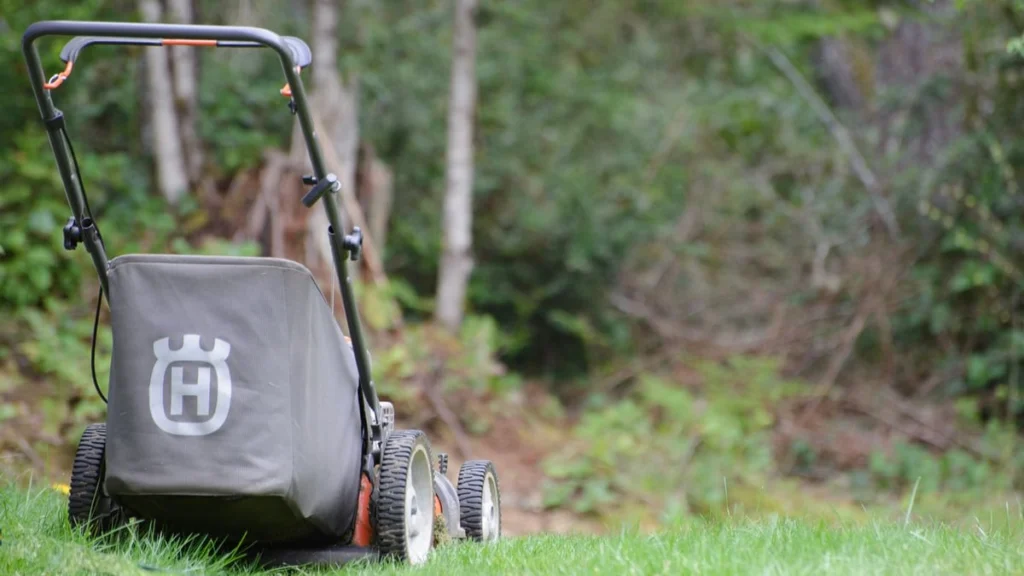
July and August are the hardest months of the year on your lawn and on the equipment that cuts it. Between the heat, the dust, and the long mowing season we get in North Idaho, mid-summer is exactly when a neglected mower starts to show it. The good news: summer lawn mower maintenance is mostly quick, cheap, and something you can do in your own garage. Here is what actually matters when the temperature climbs.
Raise the Deck and Slow Down on Watering Days
The single best thing you can do for a lawn in summer heat costs nothing: mow taller. Set your deck to 3 to 4 inches and never remove more than a third of the blade in one pass. Taller grass shades its own roots, holds moisture longer, and stays greener weeks after your neighbor’s scalped lawn has gone brown. If your mower fights you on tall, thick grass, that is usually a blade or air filter problem, more on both below.

Check the Air Filter More Often Than You Think
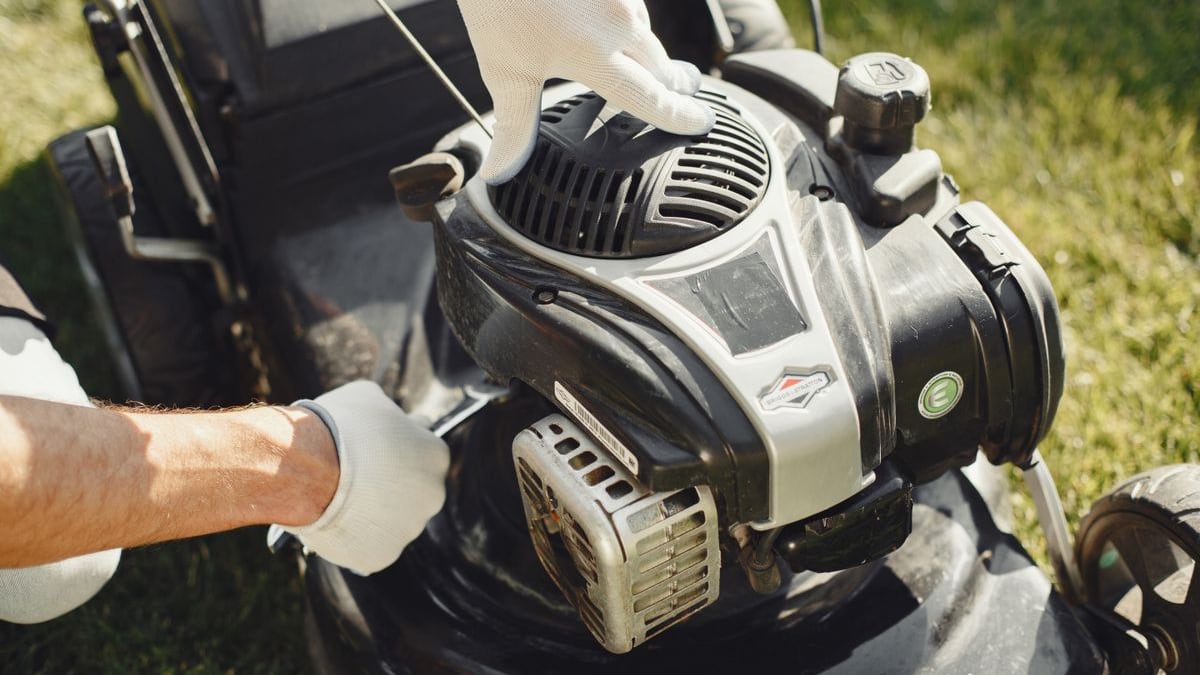
Summer mowing is dusty mowing. Your engine pulls in that dust with every pass, and a clogged air filter chokes it: harder starts, less power, more fuel burned, and in the worst case dirt getting past the filter and into the cylinder. In July and August, pull the filter every four or five mows. Foam filters can be washed in warm soapy water, dried completely, and lightly re-oiled. Paper elements should be tapped clean or replaced, never washed and never blasted with compressed air, which tears the pleats.
Keep the Blade Sharp, Your Lawn Will Tell You
A sharp blade slices grass cleanly. A dull one tears it, and torn grass tips turn brown and gray within a day, which many people mistake for drought stress. If your lawn looks frosted a day after mowing, the blade is the culprit. In peak season a blade wants sharpening about every 20 to 25 hours of mowing. If you would rather drop it off than clamp it in a vise, our service department sharpens and balances blades while keeping the bevel angle correct, an unbalanced blade vibrates the whole deck and wears bearings early.
Watch the Engine’s Temperature
Air-cooled small engines shed heat through the cooling fins around the flywheel and cylinder. When those fins pack full of dry clippings and dust, the engine runs hot, and summer is when it tips over the edge. With the engine off and cool, brush the debris out of the cooling fins and blow off the top of the engine. While you are there, check the oil: heat thins oil and burns it off faster, so check the dipstick every couple of mows and top up before it runs low.
Mind the Fuel
Gasoline does not age well in heat. Buy fuel in quantities you will use within a month, keep the can out of the sun, and consider a fuel stabilizer if a machine sits between uses. Ethanol-free fuel is cheap insurance for carbureted engines that only run on weekends.
The Quick Mid-Summer Checklist
Ten minutes in the garage, once every few weeks, from July through September:
1. Deck raised to 3 to 4 inches.
2. Air filter pulled and cleaned or replaced.
3. Blade checked for edge and nicks.
4. Cooling fins and engine top brushed clean.
5. Oil level checked, topped up as needed.
6. Underside of the deck scraped free of caked clippings.
When to Bring It In
If the engine surges, dies under load, smokes, or will not start hot, those are carburetor, valve, or ignition problems that a filter change will not fix. Our factory-trained technicians see a rush of exactly these repairs every August, and machines that come in early beat the line. See our guide on when to repair vs replace if you are on the fence about an older machine.
Librandi Outdoor Power has kept Hayden, Coeur d’Alene, Post Falls, and Rathdrum mowing for over 45 years, and summer is what our service bench is built for.
Stop by the shop at 9786 N. Government Way in Hayden, or call (208) 772-4556. You can also reach us online any time.